
Foreword
The Monthly Update from Trajectory: February 2026


New Year, New Concerns
Christmas is over. The pine needles have been swept up and the bottle of Bailey’s is in the recycling bin along with this year’s discarded New Year resolutions. 2026 has begun and we’re not feeling good about it. We became more pessimistic last month - albeit not by much - but in the past we’ve seen the collective British mood improve in January as we look forward to a new year and a fresh start. Not this year.
In January, our Optimism Index recorded a jump in concern about “national security”. A few years ago this was something of a niche interest - only one in twenty people were concerned about it (quite possibly the people who were actively involved in national security). The proportion who worry about this has now risen, like a surface-to-air missile, to one in eight people. Our fieldwork period started after President Trump restated his ambition to make Greenland part of the United States despite the limited potential for golf course-based resort developments on the island.
While events in Greenland are a new concern for some, paying the bills remains a concern for most. Growing nervousness about unemployment has also dragged the mood lower.
Regular readers - bless you - will know that younger generations have been much more positive than older generations in recent times. However, in the last few months there has been a persistent decline in optimism among Generation Z and Millennials.
The prevalence of pessimism is concerning - not least for the reasons stated in the item below.
The full detail of the Optimism Index is available to subscribers. Details of our subscription packages are at the bottom of this letter.
“Pessimism is the World’s Main Economic Problem”
There are many trackers of consumer confidence but we like to think that Trajectory offers something different by tracking optimism. We do this because optimism drives spending and it emboldens people to make important life decisions; getting married, having children, moving jobs, starting businesses and buying an Alfa Romeo.
Frankly, optimism is good for business.
The good people at The Economist take the same view as us but they look at it from the other end of the telescope. In January, they looked at the cost of pessimism.
“Persistent Pessimism has become one of the global economy’s biggest constraints … As gloom becomes entrenched across rich economies, it risks turning into a self-reinforcing drag on growth.” - The Economist, January 11th, 2026
Pessimistic consumers save more and spend less. Pessimistic employers are less likely to invest and to hire more people. A nasty cycle ensues.
The Chinese government are alert to the dangers of pessimism and promote “positive energy” as a policy. Their policy extends to taking down the accounts of domestic social media doomsters; if you don’t cheer up, the worst will happen.
We’ll continue to monitor optimism and to understand its dynamics. The fact that our index is at a low ebb is a concern for us all.
Children Were the Future
For parents, a world without children is hard to imagine - all that disposable income and time to call your own. A sports car rather than a van with windows. Holidays at any time of the year. Being able to watch American History X rather than X Factor. Not being ridiculed for a lack of knowledge of the unnecessarily large number of dinosaur species.
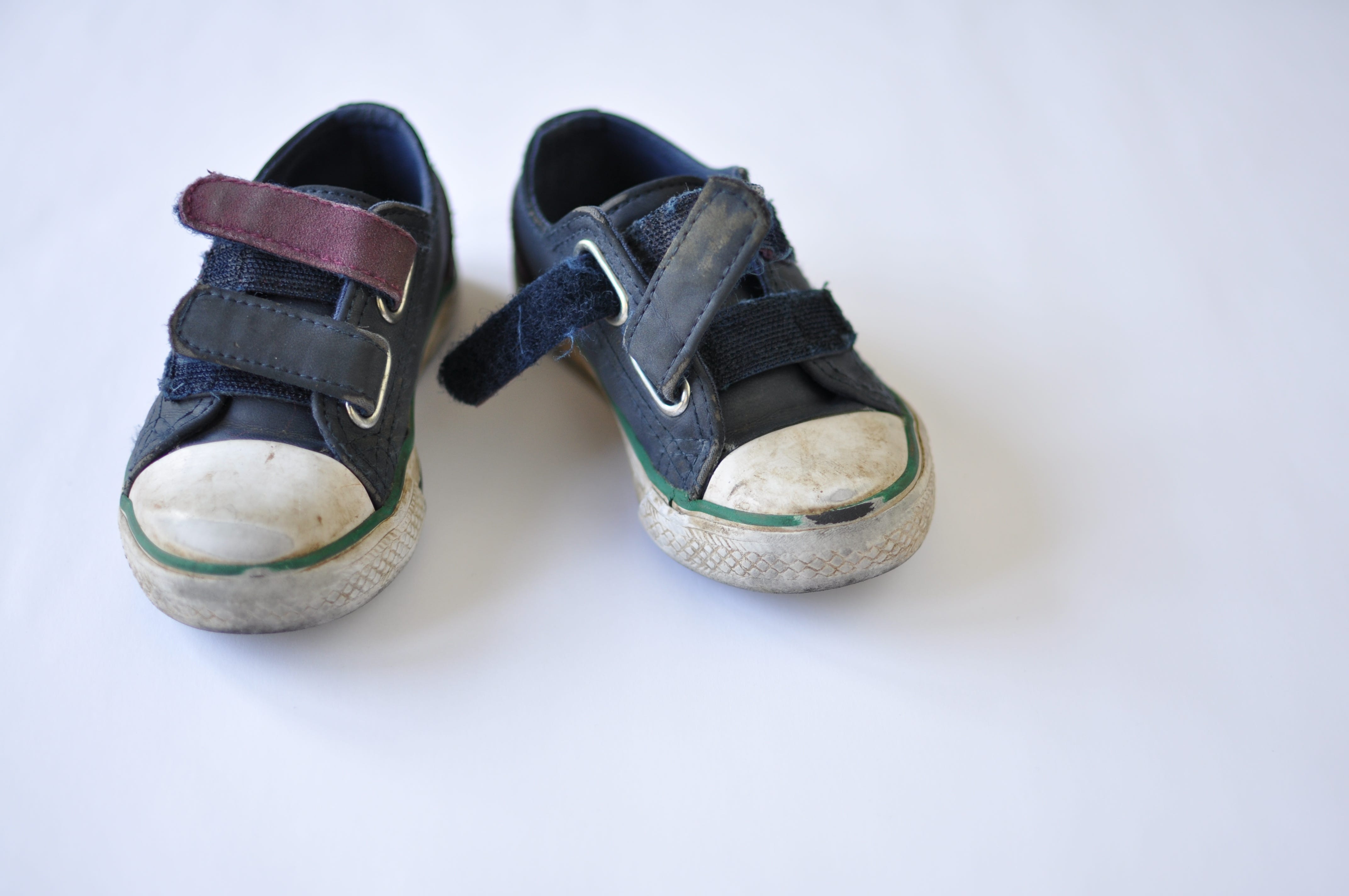
As a nation we are having less children. For the last sixteen years, the number of children born each year has been in decline. The fertility rate is at an all-time low.
This means that we will need to imagine a future in which the British population may shrink. We may need to imagine policies that will actively encourage immigration. We will need to imagine a shrinking base of tax payers trying to support a growing number of retired people.
The longer-term implications of this are serious. Everyone will be impacted.
We’ll be considering what a child-less future looks like at our next webinar on February 26th. As ever, the webinar is free and all are welcome. For more details - and to register - press the button:
What an Experience That Was
Every month, I look at real world examples of consumer trends and their impact upon brands.
According to the Met Office, the UK recorded 117% of its long-term annual rainfall in January. The Midlands received 148% of the average and the English Southeast 188%. You may have noticed this. For the past few weeks, we’ve been living in greyscale. It’s only natural that we are thinking about holidays.
We’ve often highlighted the importance of holidays to the long-suffering and damp British public but what do we want to do with our time away? Increasingly, we want to be active. Being flaked-out by the pool while we irradiate our pallid skin is no longer a default behaviour. Increasingly, we want to collect experiences.
The British Airways 2025 Travel Trends report states that 70% of consumers want to come back from a holiday having learned something new. More than two thirds of travellers aged under 34 want to; “practice or pursue hobbies and interests while on holiday.” Among the same age group, ABTA found that a quarter take adventure holidays. Visit Scotland’s Travel Trends for 2026 incorporate two experience-led holiday types; “Athleisure” which includes social fitness events such as Hyrox and CrossFit competitions and the much more appealing “Adventure Luxe” which is about an; “enriching outdoor experience” that does not sacrifice life’s little comforts.
Our Importance of Experience macro trend describes the value that consumers attach to collecting new experiences. Our data shows that 46% of consumers prefer to spend their money on experiences and leisure travel rather than physical products or possessions. The trend is very evident in how we take our holidays.
While younger travellers in particular are looking for vivid experiences from their holidays, it’s also worth noting the enduring appeal of the traditional package holiday. Beyond the age dynamic, it seems quite hard to reconcile these two holiday types. One explanation is that we are now taking different holidays for different purposes. ABTA’s report shows that we are going on holiday more often. Their research, among 2,000 people who had taken a holiday in the previous twelve months, showed that the average British holiday-maker had been away 3.8 times in the last year (up from 3.2 in 2015). Each of those four holidays can serve a different purpose - some are about pursuing experiences while others are about sun-kissed inertia.
As younger consumers grow older, they will take their taste for adventure with them, changing the nature of holidays.
Countryphile
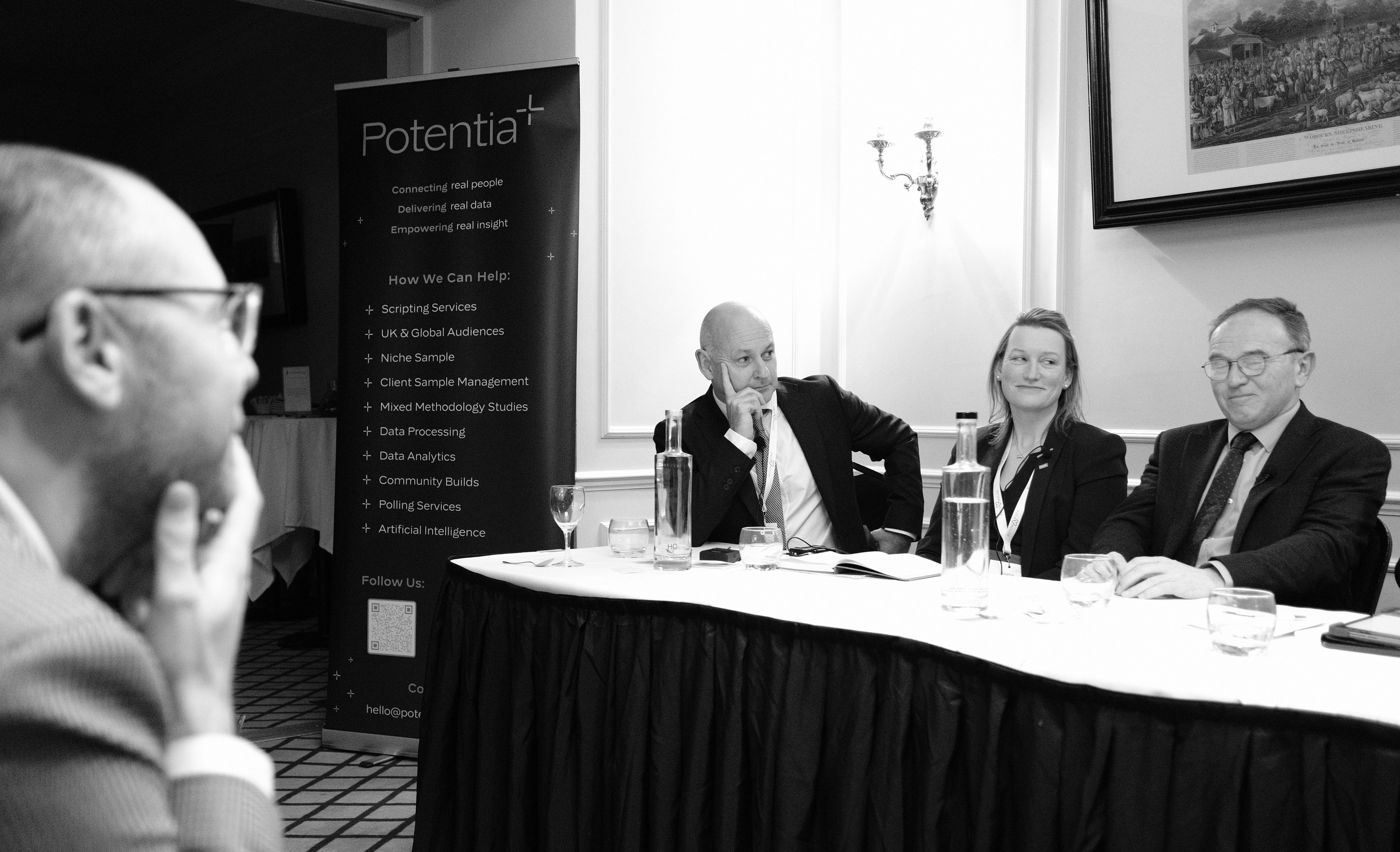
Trajectory’s CEO, Paul Flatters with Sophie Dwerryhouse of the Country Land & Business Association and the Rt Hon George Eustice, the former Secretary of State for the Environment, Food and Rural Affairs at last week’s ‘Rural Matters in Market Research’ conference in Westminster.
Trajectory has a long-running interest in rural Britain and in agriculture. One in five British people live in the countryside and their needs are very different to urban dwellers. They remain a poorly understood and somewhat neglected group. At last week’s Rural Matters in Market Research conference, Paul Flatters, Trajectory’s CEO, revealed that optimism in the countryside is - by a country mile - lower than that in urban and suburban Britain.
Trajectory has a great deal of experience in rural research and remains committed to providing insight into the lives of those living in the countryside and on the coast. We often work in conjunction with our sister company, FieldMouse, who specialise in recruiting respondents in rural communities. If you have an interest in this area, do let us know.
Subscribe to Trajectory
The world has become a more volatile place (just ask Morgan McSweeney). For that reason, it’s vital to have an up-to-date understanding of what matters to consumers. Our monthly programme of quantitative research informs our subscription service and gives you a contemporaneous and reliable analysis of the consumer mood.
An annual subscription starts at the same price as 33 tickets to see the Melania movie at the Cineworld in Enfield (or 55 tickets at the St Enoch Vue in Glasgow). You know what I’m saying.
Here are the options:
Now
An offline service that continually monitors the consumer pulse. Subscribers receive a monthly report, invitations to subscriber-only webinars and an analysis of consumer sentiment based upon our monthly fieldwork. £500 per year, per user.
Now & Next
The core, online, package. Access to monthly data, webinars, reports, articles and macro-trends. £3,200 per year per organisation (unlimited users).
Now & Next +
All of Now & Next plus offline humanity! We’re including analyst support in this package. There is also the ability to add your own questions to our monthly fieldwork with 1,500 nationally representative Britons. £7,500 per year per organisation (unlimited users).
 | A guest post by
|